Table Of Content
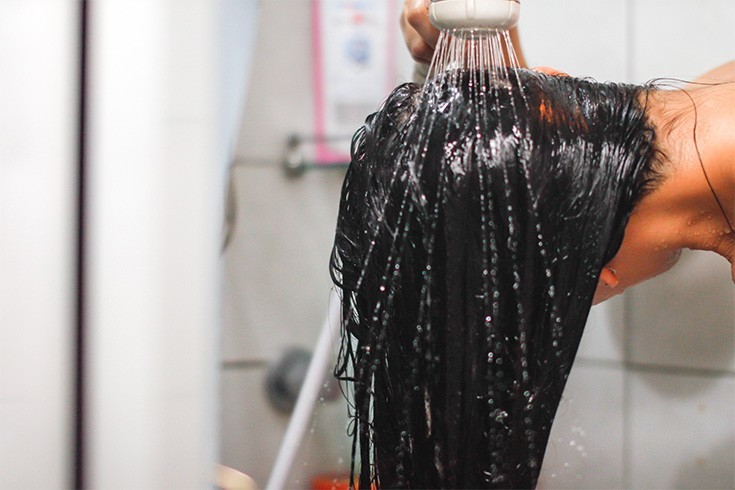
The haircare equivalent to an exfoliating facial toner, this clarifying scalp soak acts like a reset button for your roots, breaking down even the most stubborn buildup. Find out when to shampoo depending on whether your hair is thick, thin, oily, dry or anything in between. Lather and massage the roots to mid-length, and then let the water naturally drive the soap down when you rinse. It's easy to get impatient in the shower (especially if you're a chronic alarm snoozer) but, to achieve a deep clean, every strand needs to be soaking wet. "Not doing so will make it more difficult to spread the product through your hair and cause you to overuse shampoo," says Wintner.
16 Best Hair Growth Shampoos, Tested & Reviewed by Experts 2024 - ELLE
16 Best Hair Growth Shampoos, Tested & Reviewed by Experts 2024.
Posted: Fri, 19 Apr 2024 07:00:00 GMT [source]
Davines Volu Volume Enhancing Shampoo
Sebum is an important part of beautiful, well-defined curls, because curly hair needs more moisture to stay soft and prevent frizzing. A good routine begins before you get in the shower, with a scalp massage. Massages can lift excess oil, product residue and dead skin cells from the scalp and roots, making them easier to wash away, while also stimulating blood circulation, which some studies have shown may help promote hair growth. A massage can also help you assess how seasonal factors such as dry air and fluctuating temperatures are affecting your hair.
Hair washing dos and don’ts
Add a small amount of oil to the very ends of your hair to protect it as you wash it. It's essential to use cold water to close the cuticle since hot water alone can cause frizz, added Potempa. "If you love the gym and can't handle washing only twice a week, try a cleansing cream. It’s a less abrasive option," said Matt Swinney, global creative director of L'ANZA Healing Haircare. You don't need to wash your hair with shampoo immediately after a workout.
Suave Professionals Tea Tree & Hemp Seed Oil Revitalizing Conditioner
Living Proof's charcoal-based Triple Detox formula is the beauty team's unequivocal favourite. If you wash with conditioner only, be sure to avoid any hair care products, including conditioner, with silicone. Silicone can give your hair a soft, smooth feel, but it can also build up on the hair and make it limp and greasy-looking. Skipping shampoo means that you won’t remove any of the silicone buildup.
How to Take Care of Greasy Hair
This is beneficial to your scalp health and will help hair that tends to get flat. If you’re experiencing dandruff, it can be bothersome for various reasons, from scalp irritation to unsightly flakes. Dandruff can often be remedied with inexpensive drugstore shampoos from brands such as Head & Shoulders and Selsun Blue, but for extreme irritation, your best bet is to visit a dermatologist, Dr. Katta says.
The biggest takeaways from Beyoncé’s ‘Cowboy Carter’
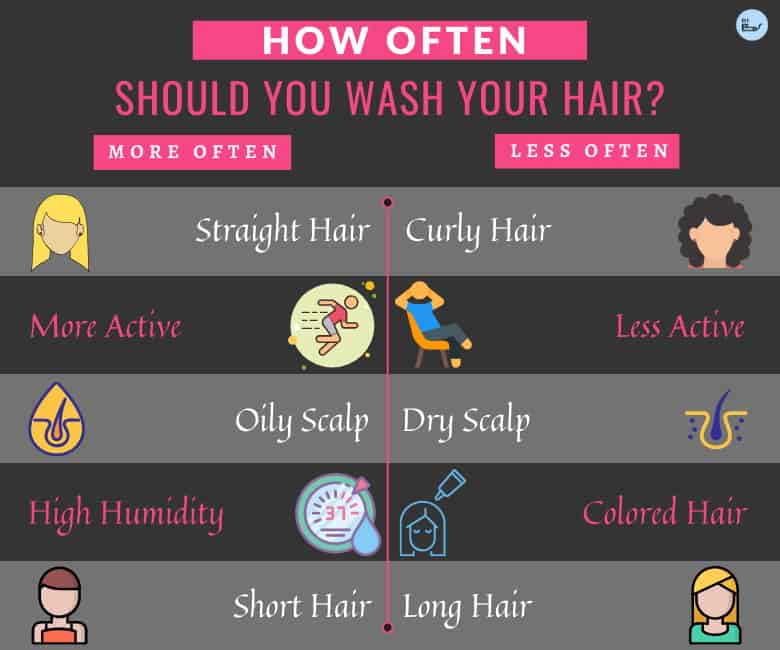
Whether you have sleek and straight hair, thick and curly hair or anything in between, we've got information tailored to the specific needs of your hair type—because trust us, that matters. It's one of those time-consuming tasks that, much like cleaning your makeup brushes, feels more like a chore than "self-care". Hair type plays a role in how often a person should wash their hair. For example, those with textured or coily hair should avoid washing more than once a week to prevent damaging their hair. Curly, thick hair typically needs less washing than straight and thin hair. Other people will likely only need to wash their hair every few days and should avoid daily washing.
Don’t wash your hair every day, or you’ll strip your hair of its natural oils. Sure, maybe you did a little research when picking your shampoo and conditioner. But you probably didn’t spend a lot of time wondering if you’re actually washing your hair correctly. Along with your hair type, there are a few other factors that may affect how often you should reach for the shampoo bottle. Dr. Rubin advises, "Naturally drier, or chemically treated hair may need to be washed less often to minimize over-drying the hair. Those who exercise or sweat a lot may need to shampoo more often." This detoxifying shampoo provides an ultra-deep clean—the kind you need if you use styling products, live in an urban area, or only wash your hair once a week.

How to shop for color shampoos
"I've managed to keep my texture and my curls even with my hair so blonde." Apart from its function as a commercial for the products, the video also appears to be the singer’s way of addressing some of the backlash and doubt she has received. If you have dark hair, are brunette and have red tones in your hair, or have red and brassy tones, consider using a green shampoo because it will counteract the red, says O’Connor. Blue shampoos are great for blondes with a more caramel highlight and brunettes with orange and brassy tones, says Benson. Blue is the best color for these orange-y tones because it counteracts and neutralizes it, says Byrd.
Shampoo strategically
You also need to make sure you’re applying the correct amount of shampoo for your hair length — not too much (you might not get it all out) and not too little (your hair might not get a thorough cleanse). This is why some celebrities are rumored to insist upon washing their hair with bottled water. Sulfates can also cause skin irritation for some people, especially those with sensitive skin. That’s why people with rosacea, eczema, or contact dermatitis may want to avoid shampoos with sulfates. Chances are washing your hair isn’t something you’ve given a ton of thought to over the years. Beyoncé said she wasn’t always ‘flawless’ when it comes to her hair, unveiling her longtime struggles with psoriasis.
TikTok's Hair Training Trend Can Lead to Hair Loss, Scalp Infection - Healthline
TikTok's Hair Training Trend Can Lead to Hair Loss, Scalp Infection.
Posted: Tue, 07 Nov 2023 08:00:00 GMT [source]
A tip celebrity hairstylist Jamie Wiley shares with anyone looking to wash their hair the right way is to ensure you're using the correct products for your hair type. Ask yourself, "Do you have color? Is your hair fine, medium, or thick? Do you have straight, wavy, curly, or coily hair?" she says. Normal to dry hair types as well as wavy hair may be able to go 2 to 3 days between shampoo sessions. You may also consider going as long as you can if you dye or chemically treat your hair.
When you are done scrubbing, comb it through and let it sit for a couple of minutes before rinsing it out like normal. But if it’s overused or if you work it all the way down the length of your hair, shampoo can damage your hair. Shampoo strips the important oils the scalp produces and can leave the hair and scalp too dry. The ends will be cleaned when you rinse the shampoo out of your roots.
Did we mention the classic shampoo is obtained with 100% clean energy, while its solid counterpart is completely carbon offset? A fantastic investment for anyone looking to go greener with their haircare. Most people should wash their hair when it becomes oily, dirty, or when a lot of product has built up on the scalp. Antoinette Bullock is a hair expert devoted to educating people about how to care for their natural hair. In addition to being a haircare expert for Sally Beauty, she is also a prolific content creator on Instagram, Tik Tok, and Youtube.
Pay special attention to the ends of your hair when you use conditioner. Despite what most people think, applying conditioner to your scalp can also be beneficial if you have a dry scalp or curly hair. No matter what, only you can find the right balance of cleanliness and moisture for your hair. It’s not uncommon for people to wash their hair with astringent shampoo on a daily basis. But the culture seems to be swinging the other way, at least in part. There’s a growing push to forgo shampoo altogether or to use conditioning cleansers that do not contain detergents.
How often you wash your hair — and with what — depends greatly on your body, lifestyle, and preferences. The dirtier you get and the more oil you produce, the more often you have to wash your hair. Dry hair, itching, and persistent flaking or dandruff are all symptoms of an overly dry scalp.